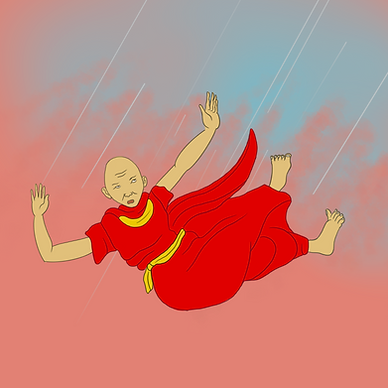
Khirav Gompo Dorje
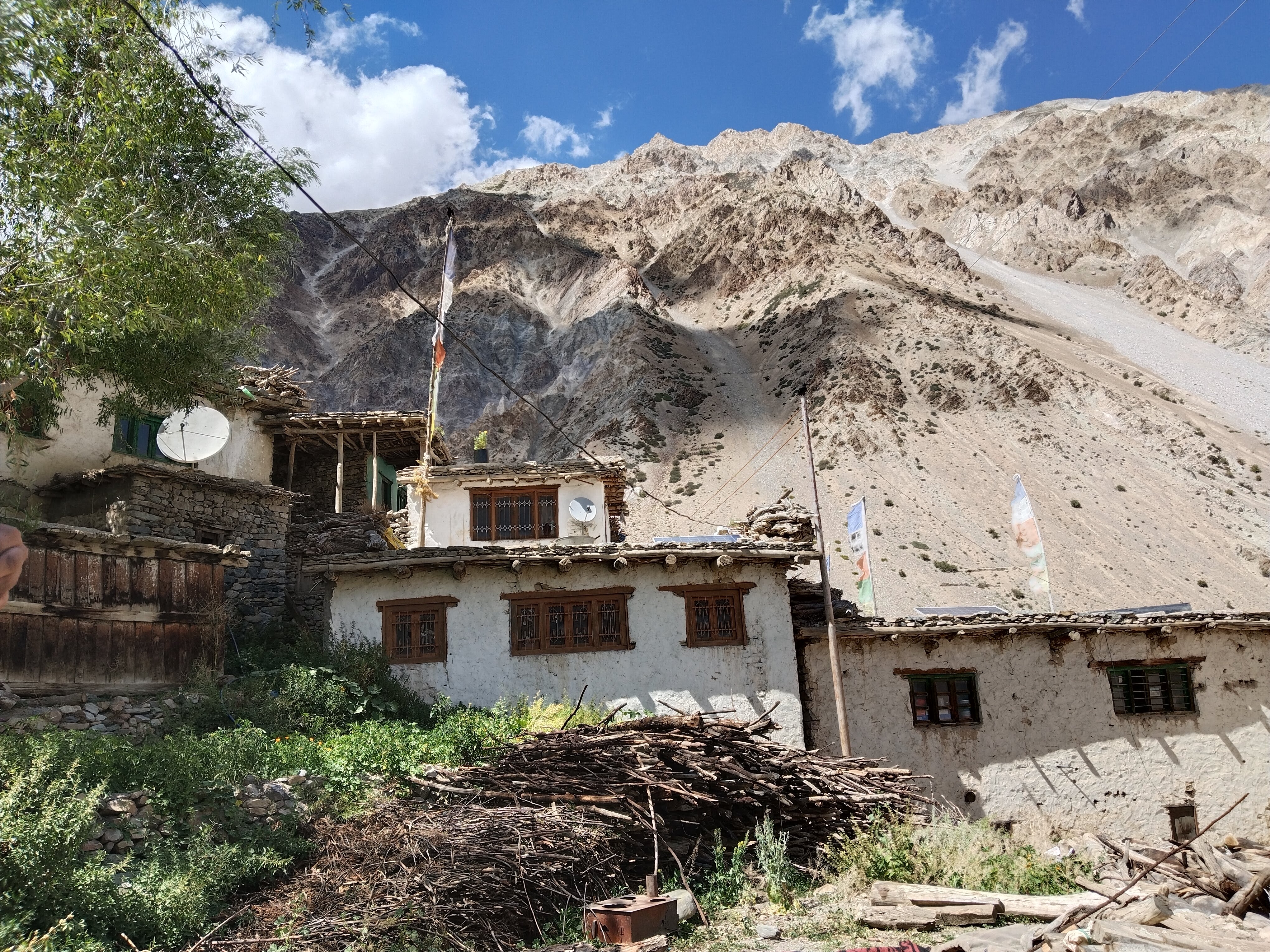
Gompo Dorje was a spirited man. He was a keen hunter. An ace at taking down mountain animals like bharal…

Behind every landscape are lives being lived, knowledge being passed on, places changing and stories being told. We bring these stories together, in many forms and through many voices.
Gompo Dorje was a spirited man. He was a keen hunter. An ace at taking down mountain animals like bharal…
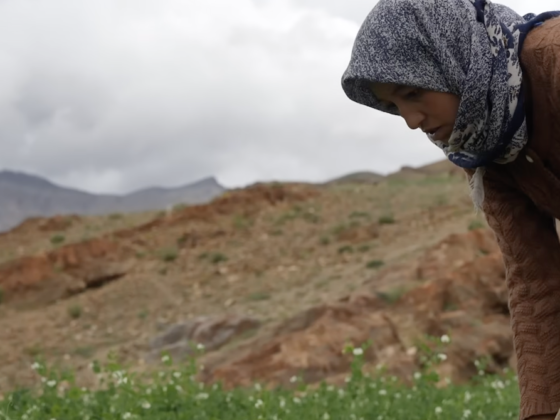
Women in the high altitude village of Kibber carry the weight of water, faith and the future. Fairies of Kibber…
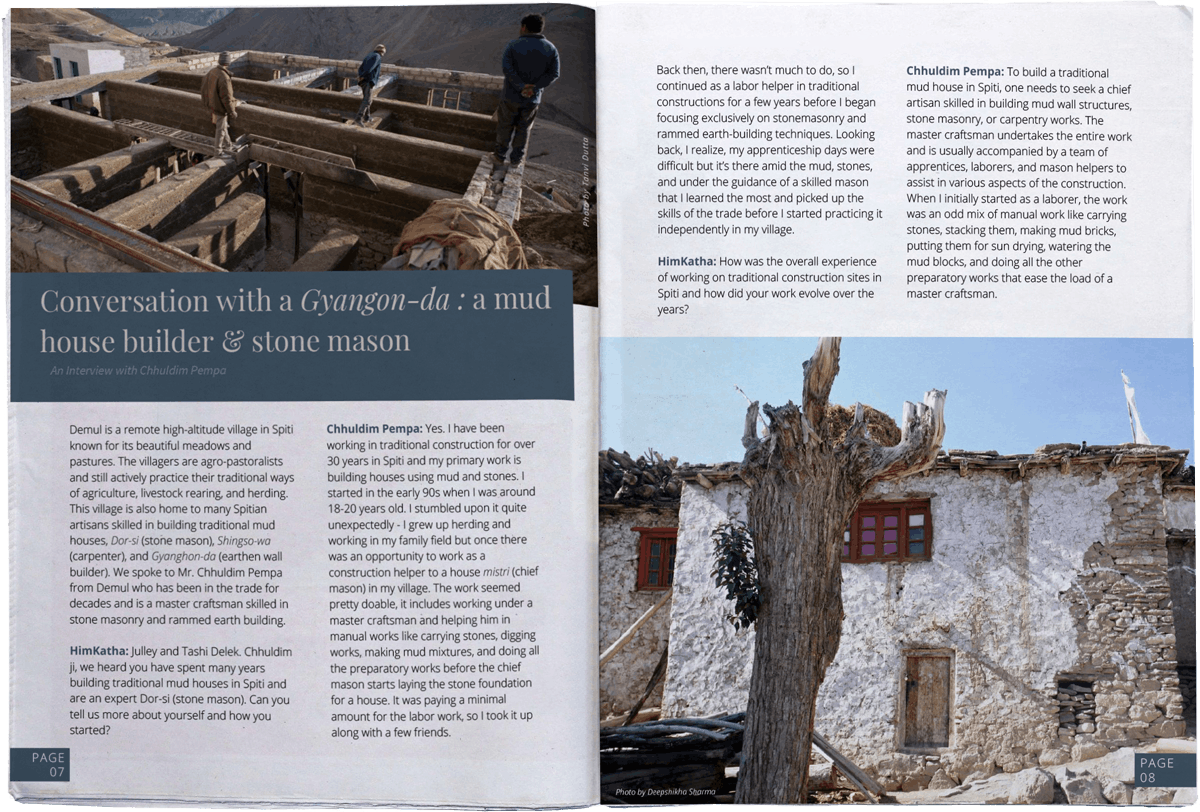
There’s unalloyed joy in sculpting with mud; mixing soil with clay, straw; sun-drying the bricks before finishing the cob structure…
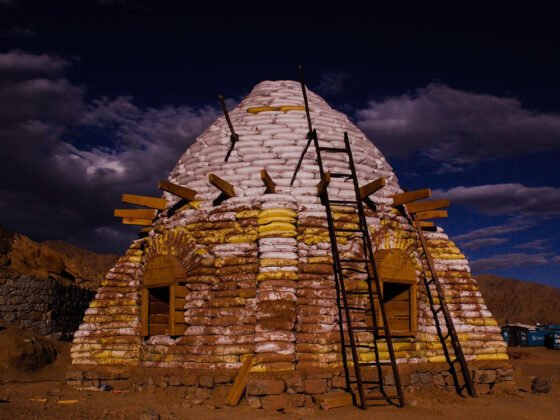
A short video in Ladakhi explaining the Shangdong to Stupa initiative. Shot by Nomadic Brothers and edited by Munmun Dhalaria.…
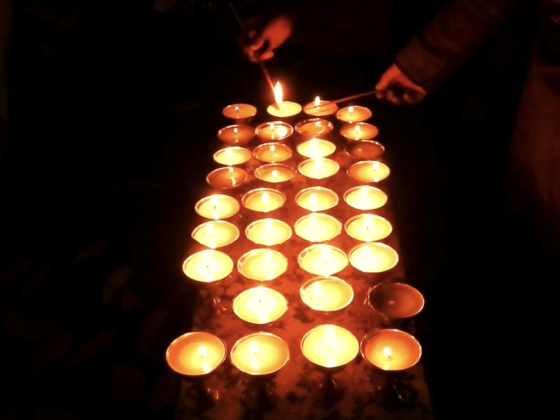
Ladakh Losar marks the Ladakhi New Year, which coincided with the Gregorian new year this year. Traditional celebrations persist in…
Houses are intrinsically tied to the cultural landscape of the region and in the olden times in Kinnaur, great value…
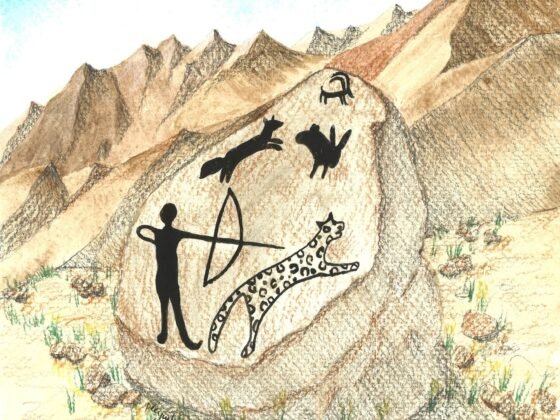
Once, there was a rabbit, a fox and a snow leopard. They lived together in the wild pastures of Pin…
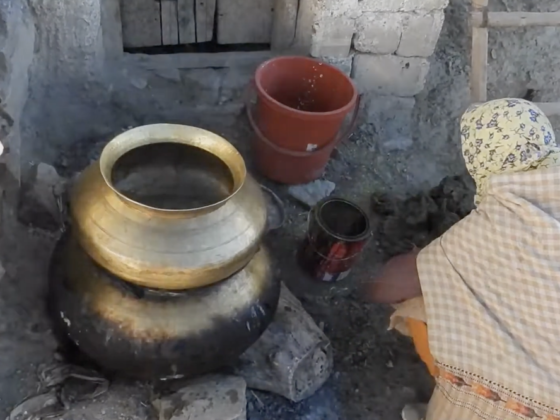
Preparation of barley wine involves a delicate process that is usually mastered over many years. Watch how a blend of…
– A Spitian Proverb –
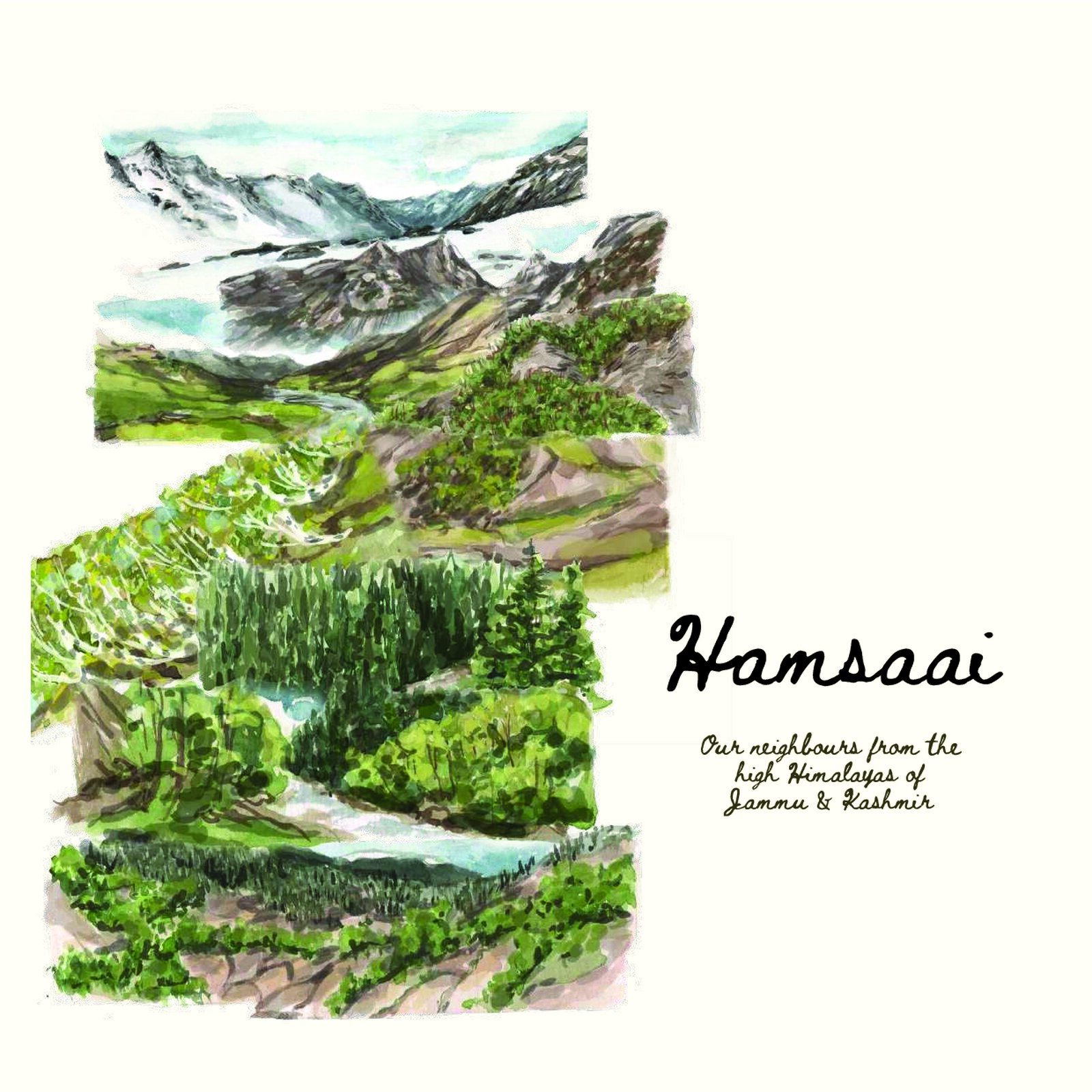
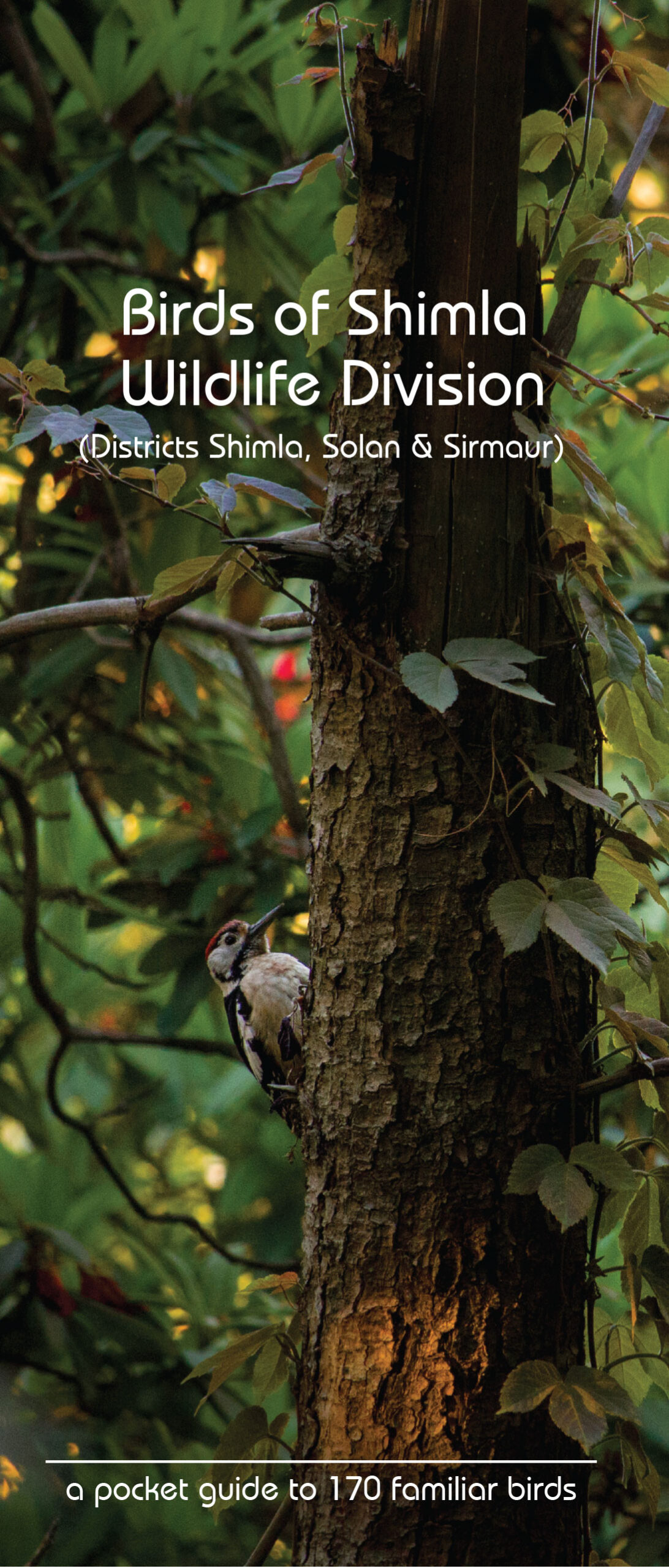
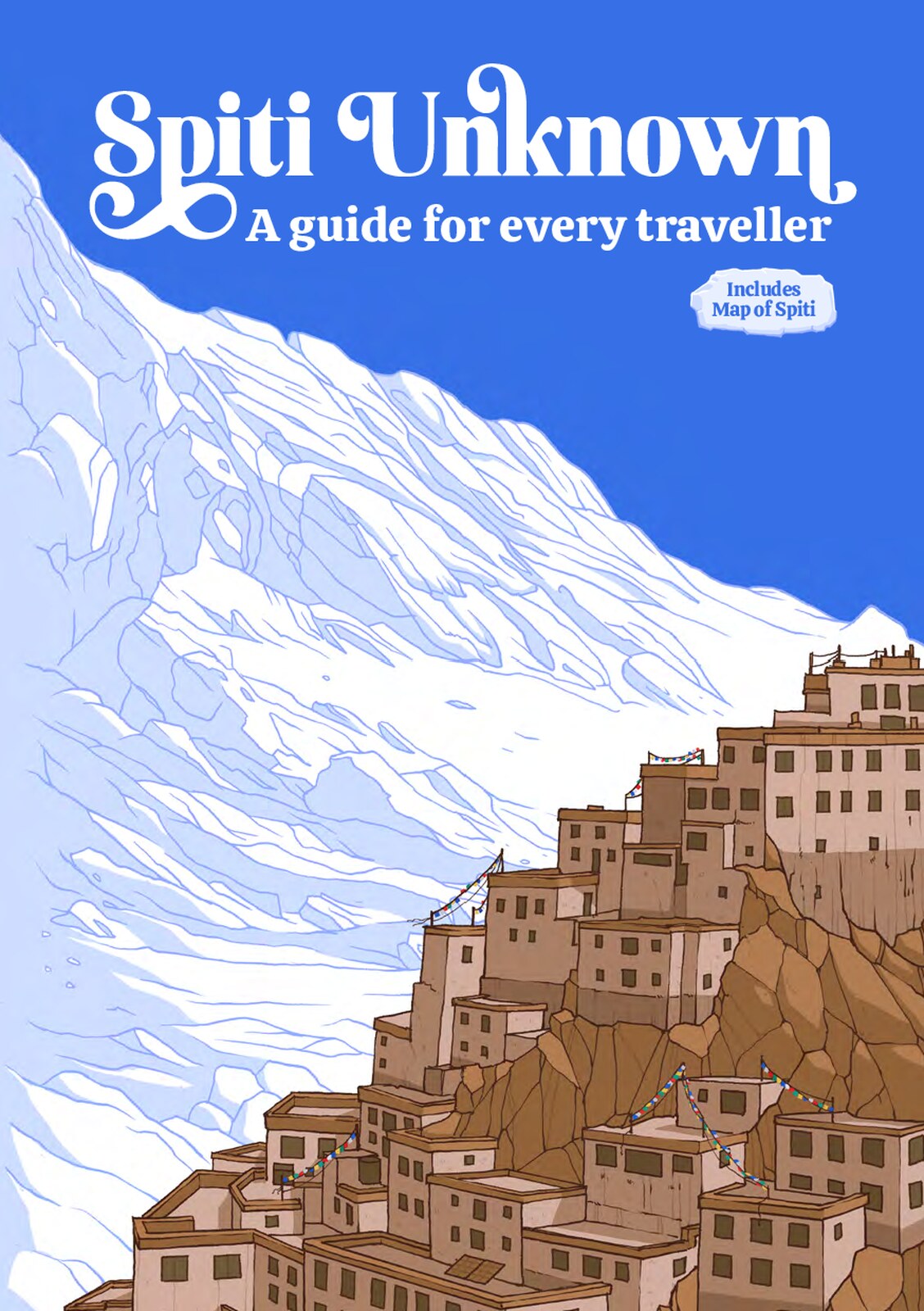
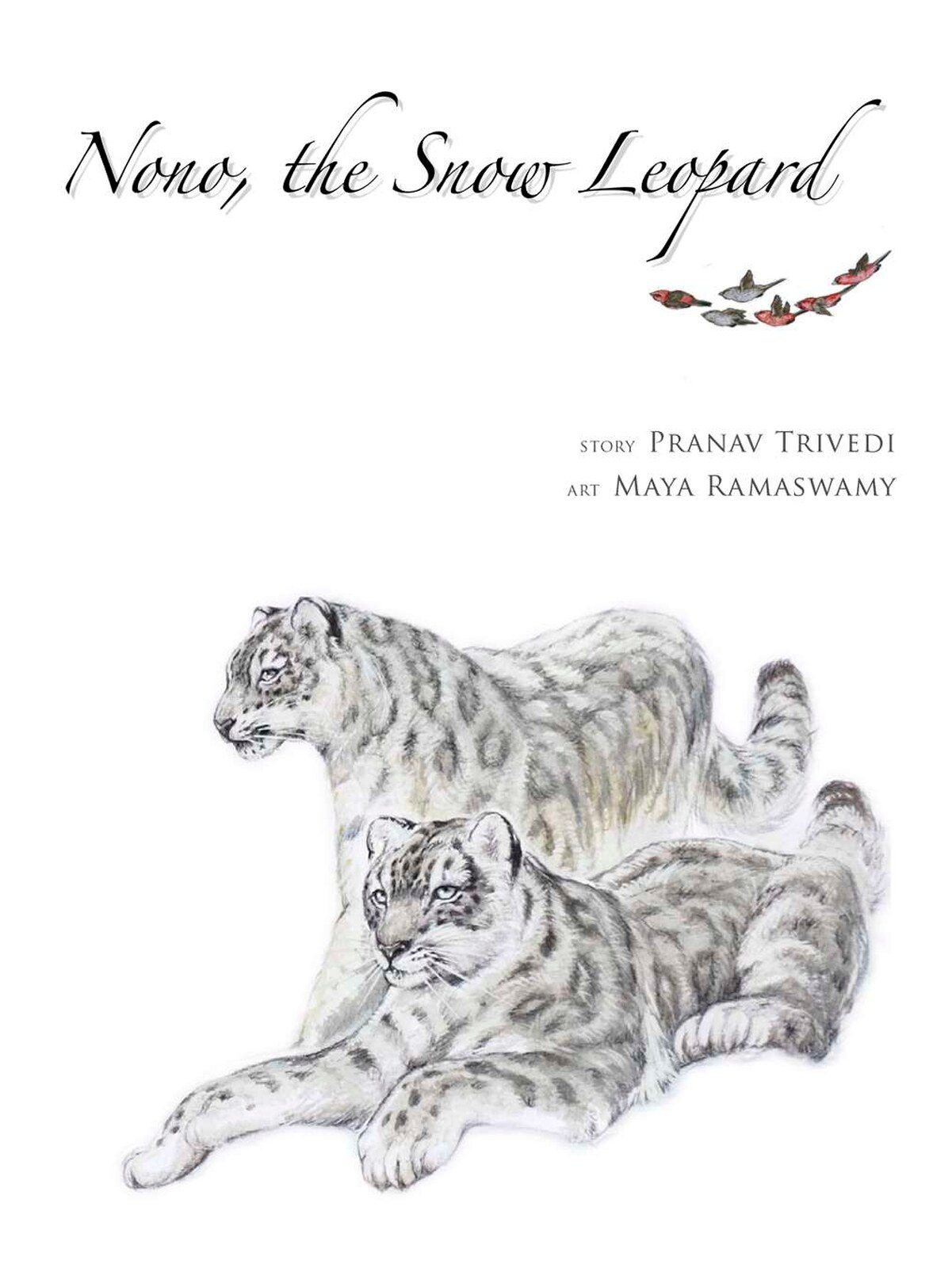
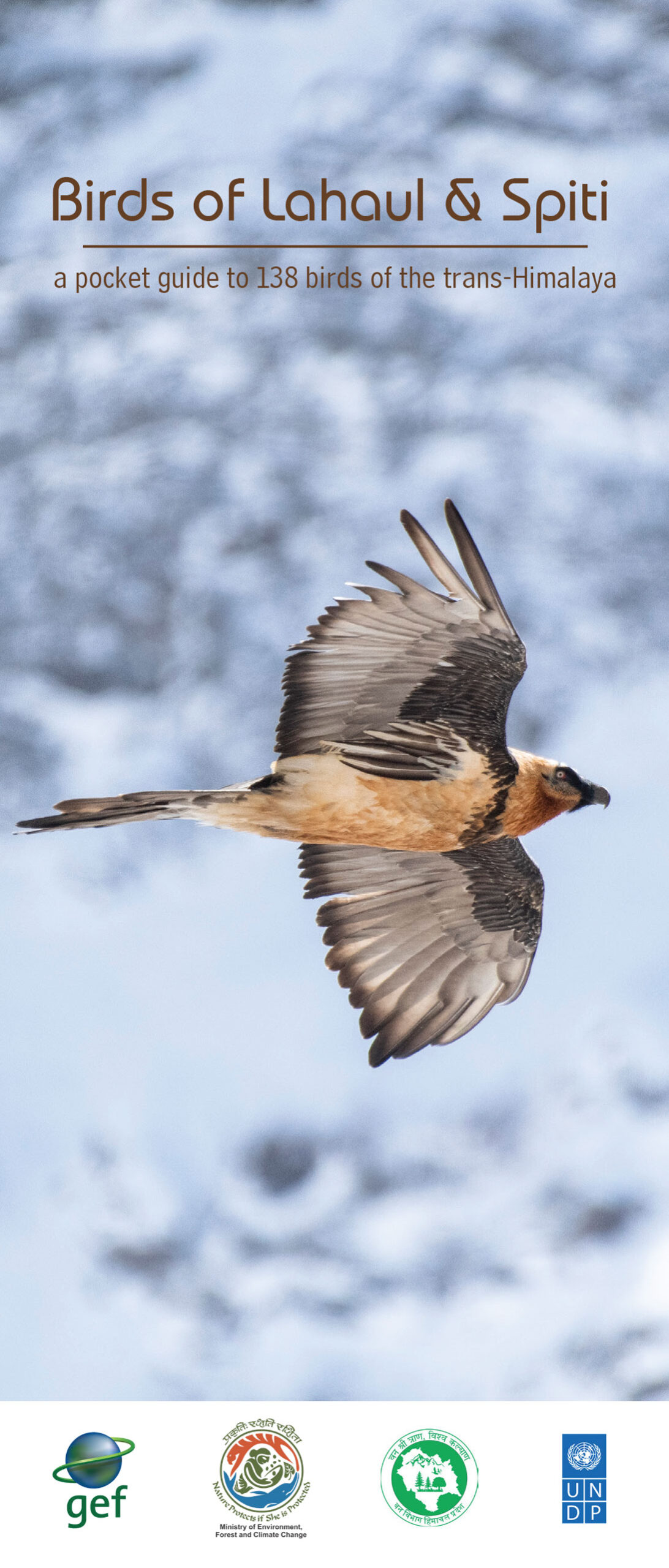
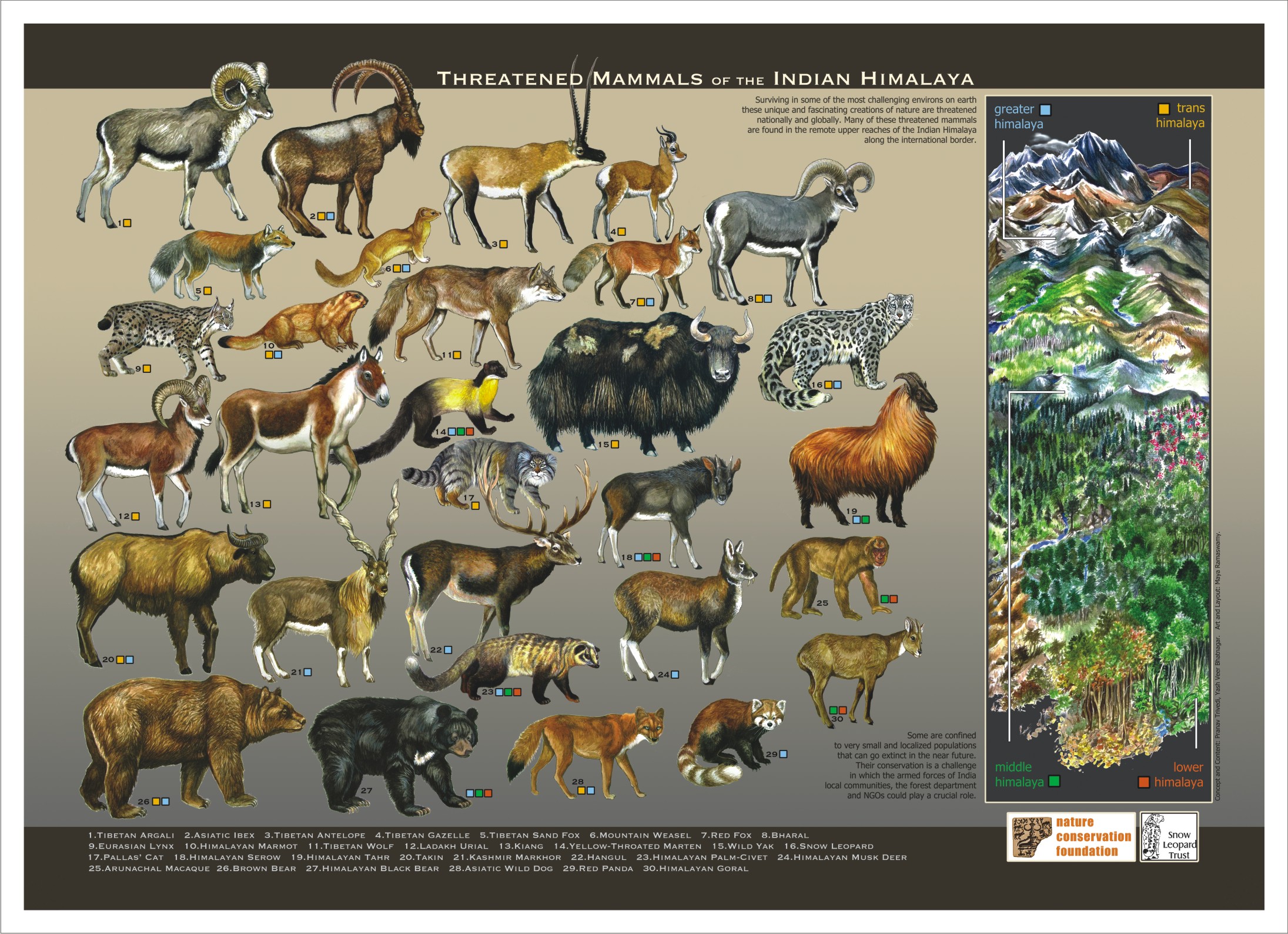
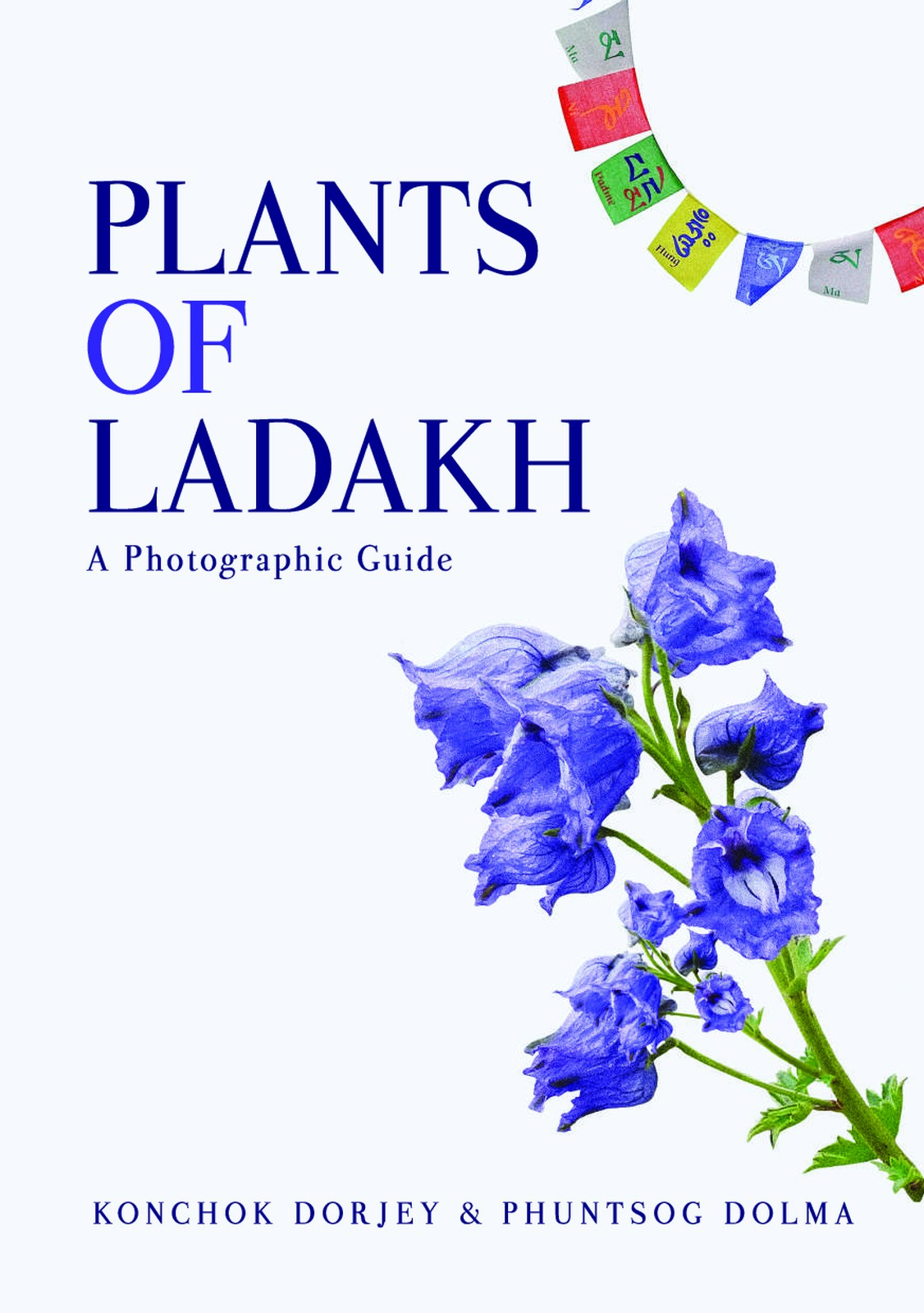
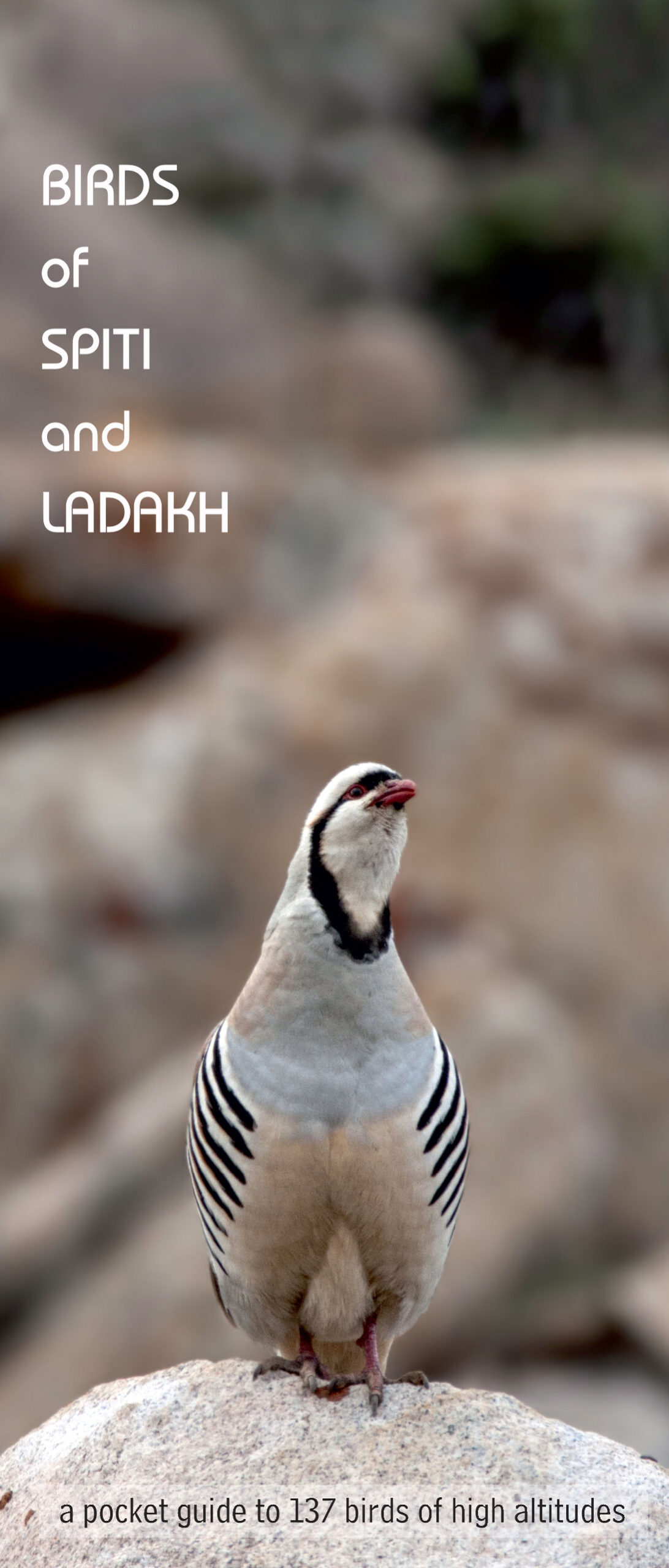
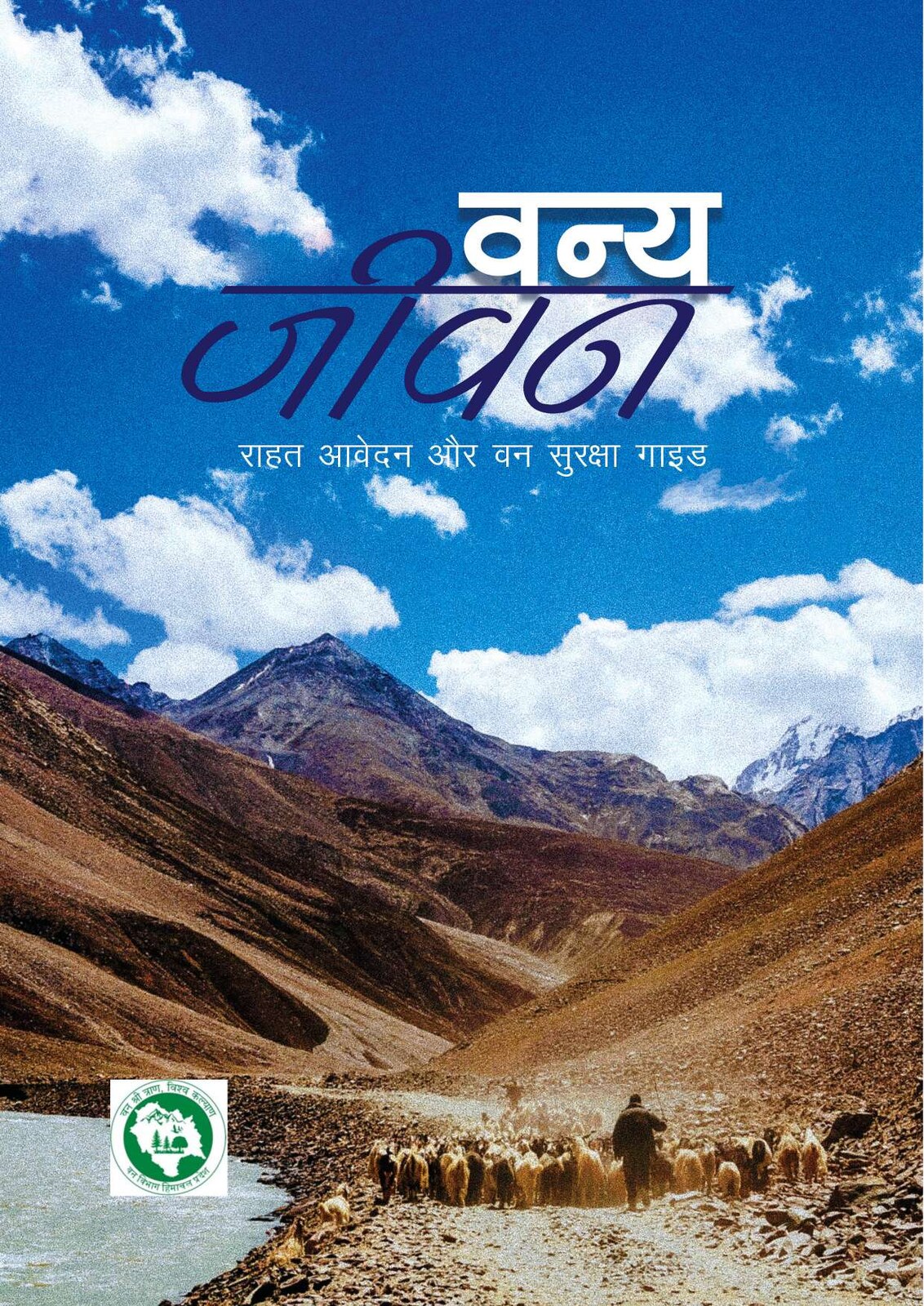
Books, guides, posters, toolkits and other resources from across the Himalaya.
HimKatha began in 2020, during the Covid-19 lockdown, when isolation and limited connectivity made it difficult for people across Spiti’s villages to stay in touch. We wondered if a print publication could help keep local conversations alive and create space for stories from the region.
The first print edition appeared in November 2020. Since then, HimKatha has grown in scope, format and reach, bringing more voices into the conversation as the Himalayan region continues to change. These early editions mark the beginning of the archive.
HimKatha brings together stories, knowledge and perspectives from across the Himalaya. We believe these stories deserve to be shared with care, grounded in the places and communities they come from, and open to different ways of seeing and understanding the world. These values shape how we work with contributors, tell stories and make them accessible to everyone.

Stories should make room for people who know these places because they live there and carry their stories and knowledge.

The Himalaya is not a single landscape or culture. We tell stories with care for the places, histories, and communities.

Knowledge lives in research and archives, but also in memory, practice, observation, craft and everyday lived experience.

Himkatha is freely accessible because stories and knowledge should be shared widely, without barriers or a paywall today.